

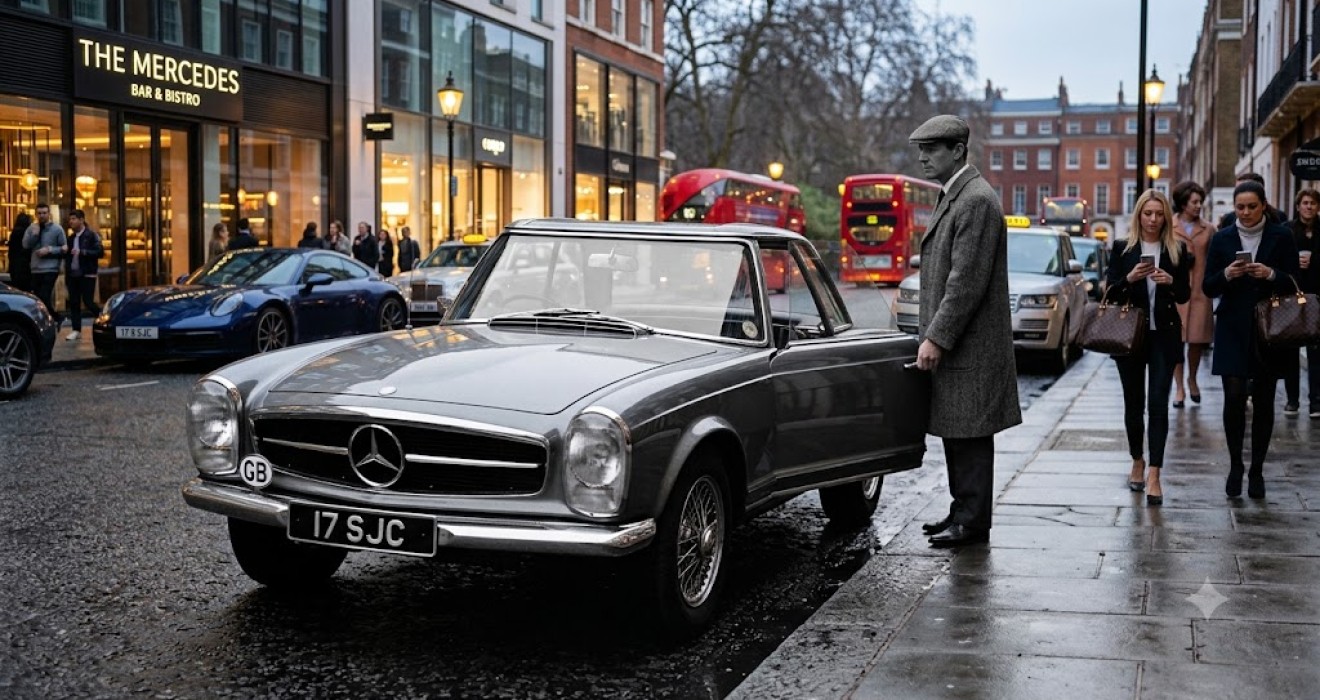
The History and Rarity of Private Plate 17 SJC: A Masterclass in Auto-Numerology
Within the highly specialised world of cherished registration numbers, certain combinations stand out not merely for their visual appeal, but for the rich historical narratives woven into their origins. One such standout asset currently residing within our exclusive stock collection is the remarkable registration 17 SJC. To the casual observer, it represents a clean, short, prestigious identifier. However, to the seasoned practitioner of auto-numerology—the formal study and analysis of vehicle registration histories and patterns—this specific mark is a rare artifact of mid-20th-century British motoring administration.
Understanding what makes a plate like this so exceptional requires a brief look at the underlying demographics of the UK personalised market. In terms of consumer demand, the letters “JC” represent one of the single most sought-after combinations of second and third initials across the entire United Kingdom. When you couple that high-demand root with the letter “S”—which ranks comfortably within the top three most common first names nationwide—you create a perfect storm of retail desirability. Yet, despite the massive pool of potential buyers whose names match these initials, the physical supply of historical registrations bearing this sequence is astonishingly scarce.
The Structural Legacy of Pre-1963 Dateless Registrations
To grasp the true scarcity of this registration, one must step back to the foundational structure of the British vehicle licensing system. Cherished registration marks issued prior to 1963 are widely regarded as the absolute pinnacle of plate collecting. The reason for their premium status is structural: they are entirely dateless. Unlike modern formats or post-1963 suffix and prefix systems, these early numbers carried absolutely no year identifier, age letter, or system-mandated timestamp. They allowed a motorist to completely disguise the age of their vehicle, a luxury that remains highly prized by luxury and classic car owners to this day.
Instead of indicating the time of manufacture, the layout of pre-1963 registrations was entirely geographical. The second and third letters of a three-letter combination were strictly assigned to denote the specific regional licensing office responsible for issuing the plate. In the case of the “JC” identifier, the allocation belonged exclusively to the historic county town of Caernarvon in North West Wales. Every vehicle carrying a plate ending in JC originally traced its administrative lineage directly back to this specific regional office. If you are curious about what your own historical initials might be worth in today’s landscape, you can request an expert appraisal via our dedicated Sell a Plate portal.
How the Alphabetical Sequence Worked
Under the early administrative rules, the first letter of a three-letter number plate acted as an alphabetical counter. When a licensing office launched a series, they would begin with the prefix letter “A”. The numbers would run sequentially from 1 up to 999. Therefore, the very first sequence released by the Caernarvon office ran from AJC 1 through to AJC 999. Once that sequence was entirely exhausted, the counter clicked forward to the next letter in the alphabet, initiating the release of BJC 1 through BJC 999.
The Rural Factor: Why “SJC” Was Never Issued Historically
This alphabetical progression created a highly predictable distribution model, but it also introduced a stark disparity between industrial urban centers and quiet rural counties. Major metropolitan hubs like London, Birmingham, and Manchester experienced an explosion of post-war car ownership, forcing their local licensing offices to rapidly cycle through the entire alphabet from A to Z to keep up with new vehicle registrations.
Caernarvonshire, by contrast, was and remains a relatively rural, sparsely populated region of Wales. The local volume of new vehicle sales was tiny compared to the industrial north or the capital. As a direct consequence of this lower automotive adoption rate, the Caernarvon administrative office moved through the alphabet at a snail’s pace. Over the decades during which the dateless system was active, the local office only managed to progress from the initial AJC run up to the OJC series.
When the central government decided to reform the entire system in 1963 by introducing the age-identifying suffix letters, the traditional regional dateless sequences were brought to an abrupt halt. Because Caernarvon had only reached the letter “O”, the subsequent planned sequences—including PJC, RJC, and the highly anticipated SJC run—were left entirely unmade. They existed only as theoretical entries in administrative ledgers, completely unissued to the public. For decades, individuals possessing the initials SJC were left without any historical dateless options whatsoever.
The Modern Era and the Role of Auto-Numerologists
The status of these “lost sequences” shifted dramatically during the early 1990s. Recognising the immense cultural and commercial value locked within these unissued historic sequences, the Driver and Vehicle Licensing Agency began selectively auditing old regional records. They slowly commenced releasing small, meticulously curated batches of these never-before-issued dateless plates via state-run public auctions. You can keep track of upcoming dynamic releases by tracking our real-time DVLA Auction Database.
It is from this highly controlled, modern retrospective release that 17 SJC emerged. Because these plates were never attached to vintage scrap vehicles or lost to the decades of poor record-keeping, their provenance is immaculate. They represent a flawless bridge between authentic mid-century styling and modern portfolio exclusivity. To auto-numerologists, the existence of a late-sequence dateless plate like 17 SJC is a thrilling anomaly—a physical manifestation of a sequence that, by all historical metrics of the Caernarvon office, should never have existed.
“For individuals whose personal identity aligns with the initials PJC, RJC, or SJC, the historical quirks of the regional licensing offices created a multi-decade supply drought. The arrival of an authentic, low-digit entry like 17 SJC represents a rare market window.”
Investment Potential and Market Outlook
From an investment and portfolio management perspective, short dateless registrations like 17 SJC represent incredibly stable alternative assets. While the broader mid-market retail sector can fluctuate based on changing consumer discretionary trends, the scarcity model protecting low-digit, two-letter, or three-letter dateless marks ensures long-term wealth preservation. They are entirely insulated from system changes because the DVLA can never replicate or mass-produce authentic historical formats.
The Personalised Registration 17 SJC is held as a prime asset within our portfolio and is available exclusively through our brokerage. Whether you are an avid collector of motoring history, an auto-numerologist tracking rare administrative anomalies, or simply an individual looking to secure the ultimate lifestyle asset matching your personal initials, this mark stands as a stellar acquisition. We welcome serious inquiries and remain open to structured negotiations for discerning clients looking to add this timeless piece of British history to their personal collection.
Explore More Industry Insights
If you enjoy discovering the unique stories, design profiles, and lifestyle trends shaping the automotive world, explore some of our other viral features:
- Premium Lifestyles: Discover the absolute pinnacle of mobile luxury in our review, Who needs a house when you have a Motorhome like this?
- Global Motorcades: Take a deep dive into security, power, and high-end automotive engineering with our global analysis, What Cars Do World Leaders Drive?