

The Rise of Private Number Plates as 2026 Investment Assets
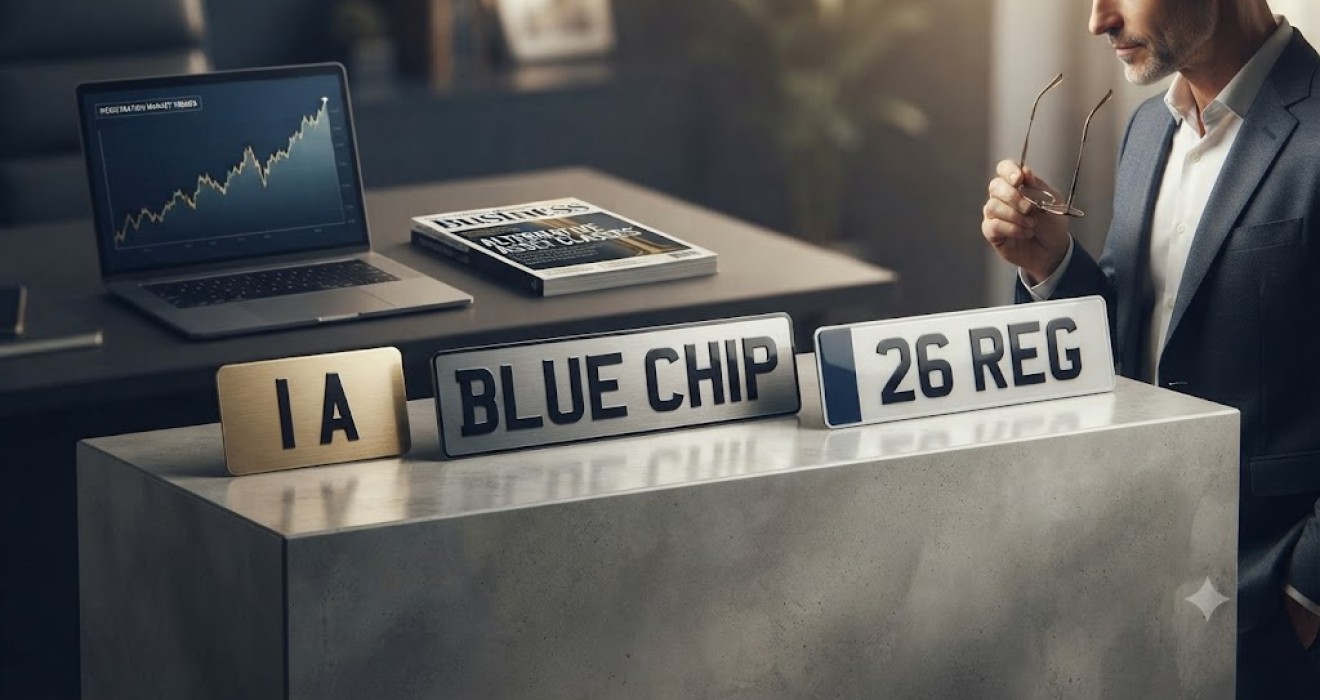
For decades, private number plates were viewed primarily as status symbols—a way to add a touch of personality to a vehicle. However, as we move through 2026, a significant shift in the automotive market has transformed these registrations into a serious “blue-chip” asset class. With prices for desirable combinations reaching record highs, investors are increasingly looking toward private plates as a stable, finite investment.
Why 2026 is a Turning Point for Plate Values
The market dynamics for personalised registrations have fundamentally changed since 2020. While entry-level plates remain accessible, the most sought-after combinations are seeing consistent, long-term growth. Several factors are driving this surge in value:
- Scarcity and Finite Supply: Unlike vehicles, which can be manufactured in the millions, a specific number plate combination is unique. Once a dateless or rare plate is acquired, it is effectively removed from the open market, creating a structural imbalance where demand consistently exceeds supply.
- Investment Portability: Private plates require no maintenance, storage, or insurance costs. This makes them an incredibly low-overhead asset compared to classic cars or physical collectibles.
- Global Appeal: The UK’s registration format is recognised internationally, meaning the pool of potential buyers extends far beyond domestic shores.
The “Gold Standard”: Short and Dateless Registrations
While name-based plates (e.g., J4 MES) continue to perform well due to their broad appeal, the “Gold Standard” of the 2026 market remains short, dateless registrations. Combinations with only 2–4 characters are becoming increasingly rare as they are snapped up by long-term collectors. These plates are “age-neutral,” meaning they can be fitted to any vehicle without revealing its year of manufacture—a feature particularly prized by electric vehicle (EV) owners looking to hide their car’s age.
The Influence of Car Culture and Business Branding
The market is also being supported by two distinct but growing demographics: business owners and younger enthusiasts. For businesses, a professionalised fleet using branded plates has become a cost-effective way to reinforce brand recognition and provide long-term mobile advertising. Meanwhile, younger buyers, influenced by the visibility of plates on social media, are driving demand for “clever” word-based combinations and car-culture references, such as those that utilise the new “26” series to spell out words.
Is It Still a Good Time to Invest?
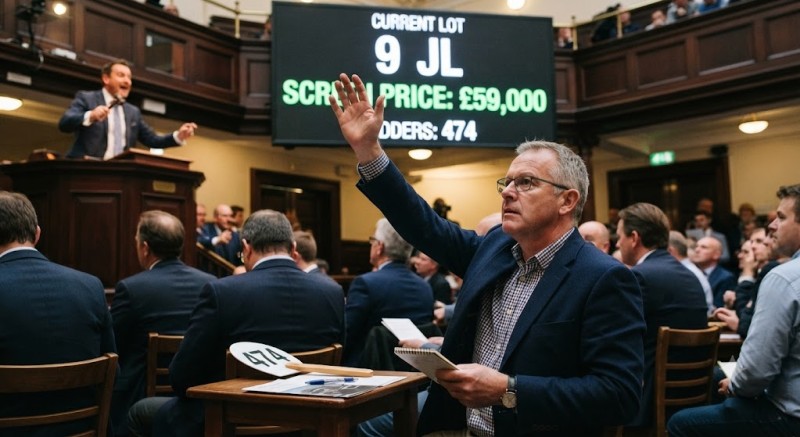
With DVLA auctions seeing fierce bidding wars—fueled by the accessibility of online platforms—the competition for the “choicest” registrations is higher than ever. While the mid-market segment (£500–£5,000) can fluctuate with consumer confidence, the high-end, rare number plate combinations have proven remarkably stable against economic volatility.
Whether you are a seasoned collector or a first-time buyer looking for a unique identifier, the 2026 market offers a diverse range of opportunities. As always, the key is to look for plates that form recognisable words, names, or short, balanced sequences that appeal to a wider audience, as these remain the most liquid and historically valuable assets.
Thinking of securing your own piece of automotive history? Explore our comprehensive search tool to find your next potential investment today.